
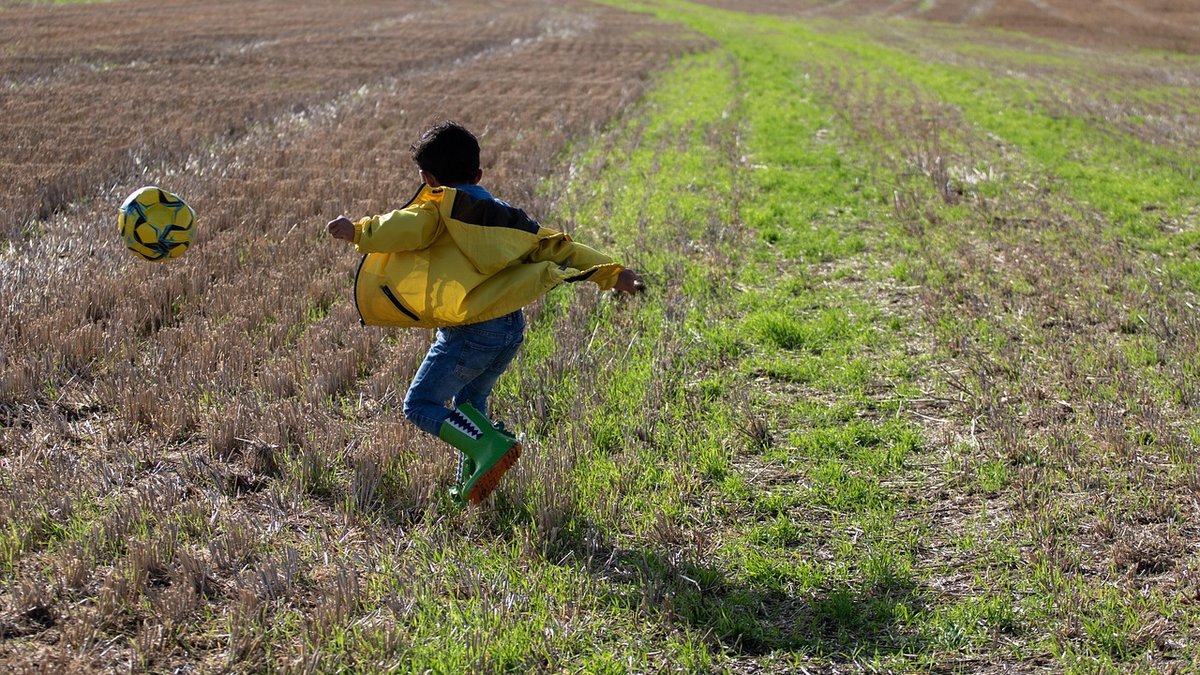
Boys at primary school rarely announce that they are feeling unsure of themselves. It comes out sideways instead: a sudden refusal to go to football club, a tummy ache that appears every Sunday evening, tears over a lost pencil, or a loud, bossy version of themselves that shows up whenever they feel out of their depth. Some boys go quiet and stop putting their hand up in class. Others get silly at the exact moment they are asked to read aloud.
None of this is a character flaw. It is a signal, and usually a temporary one. Confidence in boys of this age tends to be built from two things: competence (I can do this) and connection (someone is on my side). Everything below works on one or both of those.
We all do it. A good school report lands on the doormat and the first words out are about the level or the mark. But boys who only hear praise for outcomes learn to avoid anything they might not win at, which is the opposite of confidence.
One small tweak matters here: boys in Years 4 to 6 often find public praise mortifying. A quiet word on the stairs — "I saw how you helped your sister with her coat" — lands far better than a round of applause at the tea table.
Most childhood wobbles are social, and social situations are extremely rehearsable. Ten minutes of low-stakes practice in the car or at bath time does more good than a well-meant lecture on the way to school.
Keep it light. Use silly accents, do it as a joke, and stop before he gets bored. The aim is for the words to already be in his mouth when he needs them.
Confidence is not a straight line, and it dips at fairly reliable moments. The weeks after October half-term, the January return, the run-up to SATs in Year 6, and the move from infants to juniors all put pressure on boys who were perfectly settled a month earlier.
Keep a rough note of when things slide. Is it Monday mornings? After a growth spurt? Since a friendship group shifted at playtime? Patterns are useful because they turn "he's gone backwards" into "he's having a hard fortnight, and here's why".
Check the basics first, because they explain more dips than anything else: sleep, food, and screens late at night. A boy who is hungry at 3pm, awake at 10pm and on a tablet until lights out has very little left in the tank for being brave.
Do not wait for parents' evening if something feels off. A short email to the class teacher in week three of a dip is far more useful than a conversation in March. Keep it brief and factual: what you are seeing at home, when it started, and one question.
Teachers see your son in a completely different environment to you. That information is genuinely valuable, and most primary staff would far rather hear from you in October than discover in July that you were worried all year.
Big gestures are less powerful than small, repeated ones. Give him one job at home he is genuinely good at, whether that is sorting the recycling, walking the dog or making toast on Saturday. Find one activity where he is competent rather than competitive — swimming, cooking, riding a bike, building something — and protect that time. Ten minutes of one-to-one attention, with no phone in the room and no agenda, does more for a boy's sense of worth than an entire reward chart.
And when he does something brave, however small, say so out loud. "You went up to that boy and asked to play. That took nerve." He will remember it, and next time he will try it again.

Hi, my name is Anthony kuber. I am artist and fashion designer.
I love to travel and writing blogging.
Your email address will not be published. Required fields are marked *
Software Developer & Writer
Hey, I'm Diva, a developer and writer blending code and creativity. I'm driven by a deep curiosity and a relentless pursuit of excellence. Join me as I craft digital solutions and captivating stories.


