
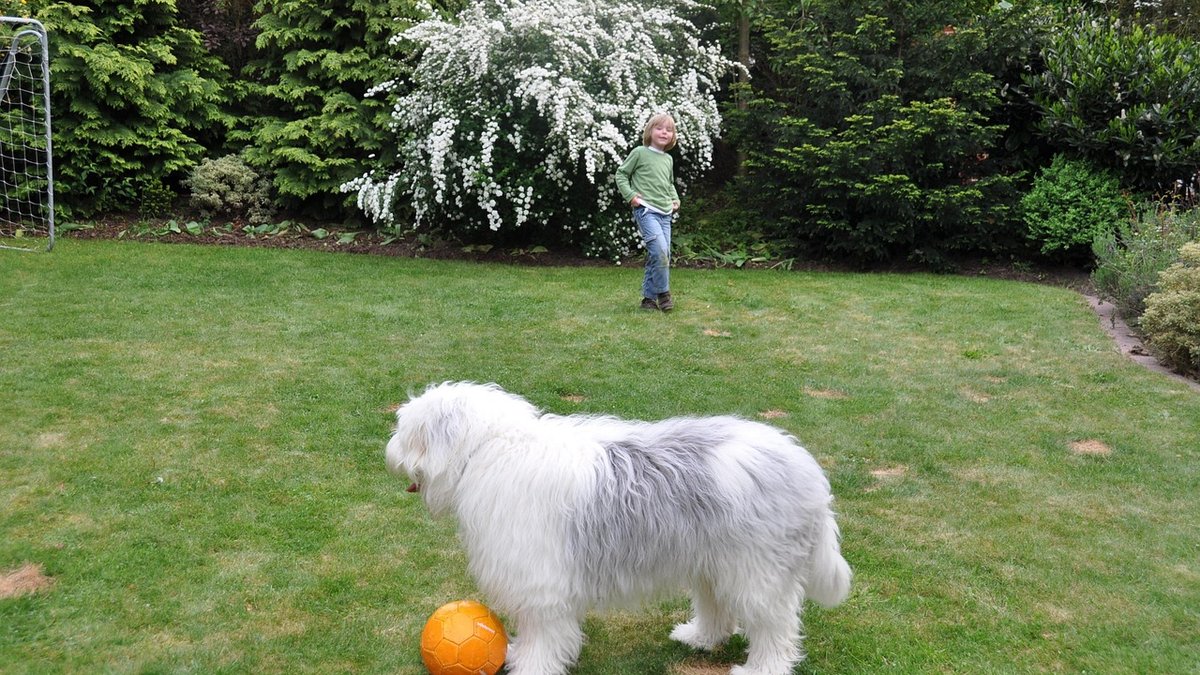
By the time you have paid the subs, bought the boots, replaced the shin pads your son grew out of in a fortnight and driven forty minutes each way, a single after-school club can cost more than the weekly food shop. It is no wonder so many families quietly opt out. The good news is that boys do not need a club badge to get fit, burn off energy and come home muddy, happy and ready for tea. Most of what they need is already within walking distance.
The UK chief medical officers recommend that children aged five to eighteen aim for an average of at least sixty minutes of moderate to vigorous activity a day. That sounds daunting until you break it down. It need not be a coached session with a whistle. Twenty minutes kicking a ball against a wall, ten minutes scootering to the shop and half an hour of chasing games in the park all count.
What matters most is frequency and habit, not the size of the direct debit. A boy who walks, scoots or cycles somewhere most days builds a far sturdier fitness base than one who does a single ninety-minute session on a Saturday morning and then sits down for the rest of the week.
Most neighbourhoods have a green space within ten minutes' walk, even if it is only a patch of grass with a couple of goalposts. Treat it as a free sports hall and vary what you do there.
A bike is the single best value piece of fitness equipment you can own for a boy. Once the initial outlay is done, every ride is free, and a well-kept second-hand model costs a fraction of a new one.
Start local and build up. Pavement and park circuits first, then canal towpaths, disused railway lines and quiet country lanes. These flat, traffic-free routes build confidence without the stress of main roads. Take water, a snack and a puncture kit, and let your son check the tyres and pump them up — a bit of responsibility keeps interest high.
You do not need a big garden. Even a small yard can host a serious workout.
A second-hand trampoline, a pull-up bar across a doorway and a set of resistance bands together cost less than a term of most club memberships and get used every day.
Keeping costs down is as much about routine as it is about shopping.
The hardest part is not the activity; it is the habit. Anchor movement to something you already do. The walk to school becomes a scoot. The ten minutes before tea becomes a kickabout in the garden. Saturday morning becomes a family ride, whatever the weather.
Keep a simple chart on the fridge and let your son tick off each day he gets outside. Boys respond well to visible progress, and it takes the nagging out of it. Aim for something every day, something longer at the weekend, and one proper adventure each half term.
Say yes to the muddy boots and the wet coat. A boy who is regularly out of breath, a bit dirty and genuinely tired at bedtime is a boy who sleeps better, eats better and copes better with the ups and downs of school. None of that requires a membership card — just a bit of planning and a willingness to get out there with him.

Hi, my name is Anthony kuber. I am artist and fashion designer.
I love to travel and writing blogging.
Your email address will not be published. Required fields are marked *
Software Developer & Writer
Hey, I'm Diva, a developer and writer blending code and creativity. I'm driven by a deep curiosity and a relentless pursuit of excellence. Join me as I craft digital solutions and captivating stories.


